
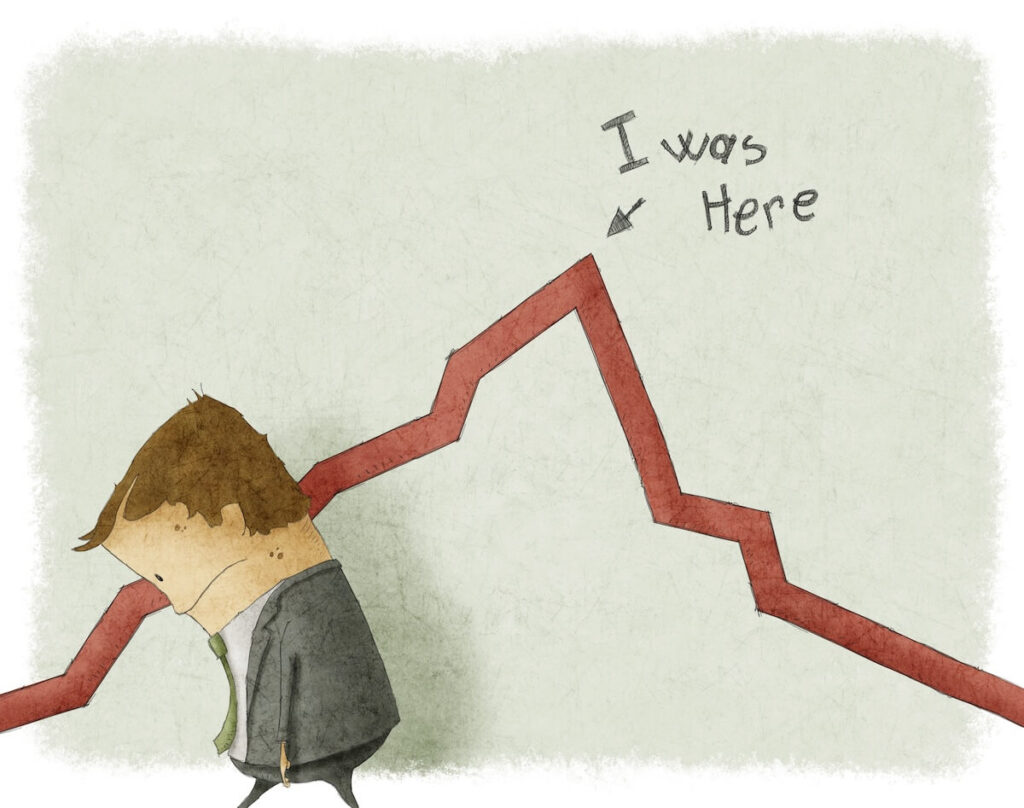
Remember the time you poured your heart into an idea and then, bam! It flopped spectacularly like fireworks on the 4th of July.
Yeah, been there too many times than I would like to admit. It’s the kind of gut-punch that makes you question everything, from your plan to your sanity.
As a budding entrepreneur, moments like these aren’t just part of the journey. They’re the ones that teach you the most.
Failure isn’t fun. It stings, messes with your confidence and sometimes leaves you wondering if you’re cut out for this.
But here’s the thing. Failure is also where the magic happens. It forces you to adapt, think bigger and come back stronger.
In this article, I’m diving into why failing, especially in a big, bold way, might just be the most valuable skill in your entrepreneurial arsenal.
Failure Is Research
Here’s the comforting truth. Every failed campaign, botched idea or rejected pitch is valuable data in disguise. Didn’t land that investor? Now you know which angles don’t resonate. Marketing flop? Congrats, you’ve just pinpointed what doesn’t work with your audience.
Failure isn’t about losing, it’s about collecting information. Think of it like running a science experiment. Some hypotheses won’t pan out but the data you gather shapes your next steps.
Everybody knows that Thomas Edison failed hundreds of times before he succeeded with the light bulb. I’m definitely not as special as him so failing more than expected should be expected.
Success isn’t about never failing. It’s about using those failures to pivot, adapt, and get closer to your goals. The next time something crashes and burns, take a deep breath and ask, “What’s this teaching me?”
Chances are, it’s more than you think.
The Entrepreneurial Perks Of Spectacular Failure
Failure is the uninvited guest at every entrepreneur’s party. It barges in, wrecks your plans and leaves you wondering why you even started in the first place.
Let’s break down why those big, messy failures are secretly good for you.
Builds Entrepreneurial Resilience
The entrepreneurs who make it aren’t the ones who never fail. They’re the ones who get back up, dust themselves off and try again.
Every stumble toughens you up. The next time you face rejection, it stings a little less. You start to realize that failure isn’t fatal, it’s a speed bump, not a dead end.
I used to think that I had skin thick enough to weather multiple failures. But boy was I wrong. There was a time when a big potential client I thought I had in the bag ghosted me out of the blue.
Took me months to get back on track after that incident.
Resilience is like a muscle; failure is the weight you lift to build it.
Sparks Creativity And Reinvention
When Plan A goes up in flames, you have two choices: wallow or innovate.
And let’s be real, innovation is where the magic happens. Twitter, for example, wasn’t born as the social media giant we know today. It started as a podcasting platform that flopped so hard the founders had to pivot completely.
That failure forced them to think differently and the rest is history.
As an entrepreneur, failure often pushes you out of your comfort zone, forcing you to find creative solutions you’d never have considered otherwise.
It’s like your brain says, “Well, that didn’t work, time to get clever.”
Improves Decision-Making
Every time you fail, you get a little sharper. Maybe your marketing campaign didn’t land the way you hoped. That’s frustrating, sure, but it also gives you critical insight into what your audience doesn’t want.
Armed with that knowledge, your next move is smarter, faster and more targeted.
Failure fine-tunes your instincts. You start to spot red flags earlier, make quicker pivots and avoid costly mistakes in the future.
It’s like gaining entrepreneurial street smarts, each stumble makes you savvier.
Top 5 Questions To Ask Yourself After A Big Failure
Failure stings but what you do next matters more than the setback itself. IThese five questions that I always ask myself to help turn a flop into a stepping stone for future success.
1. What Exactly Went Wrong?
This is your chance to be honest and objective. Was it poor planning, bad timing, or something completely out of your control? Identifying the root cause helps you avoid repeating the same mistake.
2. What Did I Do Right?
Even in failure, there’s usually something you did well. Maybe your pitch deck was solid, or your idea had potential but needed better execution. Acknowledge the positives to keep your confidence intact.
3. What Can I Learn From This?
Failures are lessons in disguise. Ask yourself what insights you gained, whether about the market, your strategy, or even your own resilience. Use these lessons to adjust and grow.
4. What Will I Do Differently Next Time?
Reflection is pointless without action. Pinpoint the specific changes you’ll make in your approach. It could be better research, seeking mentorship, or allocating resources differently.
5. How Will I Measure Success Moving Forward?
Failure often happens when we chase unclear or unrealistic goals. Define what success looks like next time—be it revenue, user engagement, or personal growth. This clarity keeps you focused and aligned.
Share Your Story
Have you ever experienced a spectacular failure that taught you more than success ever could? Share your lessons, laughs, or even your most cringe-worthy moments in the comments below.