
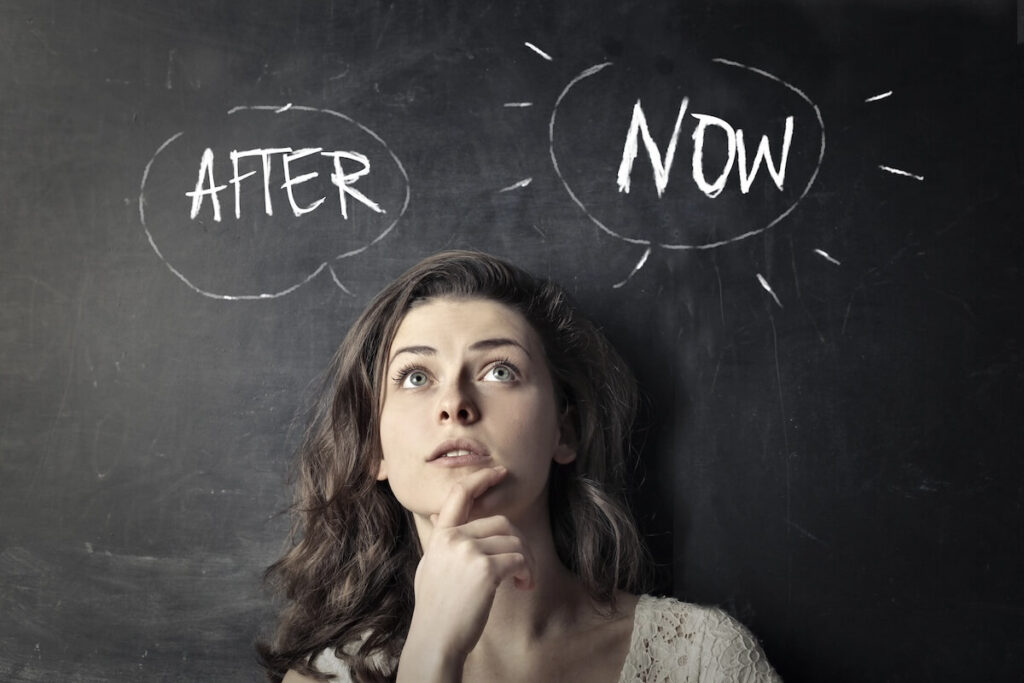
Procrastination isn’t just a harmless habit, it could be ruining your chances of success. Whether it’s missing deadlines, delaying important decisions or putting off responsibilities, procrastinators are at a higher risk of failure.
But why do some people fall into this destructive cycle, and can it be stopped?
A groundbreaking new study analyzed 1,635 research papers spanning 30 years to uncover the hidden dangers of procrastination. The findings are shocking!
But there’s good news. Scientists have also identified the key psychological triggers behind procrastination and effective strategies to break free from its grip.
Are you unknowingly sabotaging your own success? Read on to find out.
Why Do People Procrastinate? The Science Behind the Habit
Procrastination is not just laziness, it’s a deeply ingrained psychological behavior linked to self-regulation failure.
The study found four key reasons why people procrastinate.
Personality Traits – Some people are naturally prone to procrastination due to their personality. Those who are less disciplined and more impulsive tend to put off tasks more frequently.
Emotional Avoidance – Many procrastinators delay tasks to escape stress, anxiety, or boredom, even if it makes things worse later.
Poor Time Management – People often underestimate how long a task will take or overestimate how much time they have left.
Digital Distractions – Social media, smartphones, and endless notifications make it easier than ever to procrastinate.
The Hidden Dangers of Procrastination: How It’s Ruining Lives
The study uncovered three major ways procrastination can destroy success.
Lowers Performance And Kills Productivity
Students who procrastinate get lower grades, struggle with learning and fail to meet deadlines. At work, procrastination leads to missed promotions, job instability and lower salaries.
Increases Stress, Anxiety And Depression
Constant delays create a cycle of panic, guilt and last-minute pressure. Procrastinators are more likely to experience chronic stress, depression and lower self-esteem.
Damages Health And Relationships
Many procrastinators skip workouts, delay medical checkups and develop unhealthy habits.
It also affects relationships, as procrastinators often avoid commitments and responsibilities, frustrating those around them.
Which Procrastinator Are You?
The study found that not all procrastinators are the same. Understanding which type you are can help you break free.
- Arousal Procrastinators – Love the thrill of last-minute pressure and delaying tasks on purpose.
- Avoidant Procrastinators – Fear failure or criticism, so they put off tasks to avoid judgment.
- Decisional Procrastinators – Struggle with making choices and delay decisions out of fear of getting it wrong.
- Active vs. Passive Procrastinators – Some procrastinate strategically to boost performance, while others do it due to a lack of motivation.
Technology And The Rise Of Modern Procrastination
The study also revealed a disturbing trend. Procrastination is getting worse due to technology and social media.
- Smartphones and notifications make distractions more tempting than ever
- “Bedtime procrastination” is a growing problem. People stay up late scrolling instead of sleeping, leading to exhaustion
- Remote work and online learning have created more flexibility but also fewer structured deadlines, increasing procrastination
Can You Overcome Procrastination? Science Says YES!
The good news? Research confirms that procrastination isn’t permanent and you can break free from procrastination with the right strategies.
✅ The 5-Minute Rule – Tell yourself you’ll work on a task for just five minutes. Once you start, you’re more likely to continue.
✅ Set Unbreakable Deadlines – Even self-imposed deadlines can create urgency and force action.
✅ Limit Digital Distractions – Turn off notifications, use website blockers and create a distraction-free workspace.
✅ Break Tasks Into Smaller Steps – Large tasks feel overwhelming. But breaking them into tiny, achievable goals makes them easier to tackle.
✅ Use Accountability – Tell someone about your goal or work with an accountability partner to stay on track.
✅ Visualize the Consequences – Instead of focusing on the effort, think about what will happen if you keep procrastinating.
Stop Waiting And Start Winning
If you’ve been waiting for the “perfect time” to change, this is it. Procrastination is more than just a bad habit, it’s a life-destroying trap that can cost you success, happiness and even your health.
Successful people take action. Procrastinators make excuses.
Which one will you be?
🔥 Stop procrastinating NOW before it’s too late! 🔥